About Royton
Royton’s story began as a small farming hamlet, transforming during the Industrial Revolution into a crucial cotton spinning centre. The town retains glimpses of this heritage through its surviving mills and workers’ cottages, while adapting to serve its current population of approximately 21,000.
Positioned in a valley between Oldham and Rochdale, Royton maintains its distinct identity. The town’s elevation provides views across Manchester and the Pennines. Its position, under 10 miles from Manchester city centre, makes it popular with commuters seeking more space for their money.
The town centre combines practical amenities with independent shops. Unlike some neighbouring areas, Royton has kept its traditional market town layout, with shops and services clustered around Market Square. This creates a focal point for daily life, while Tandle Hill Country Park provides 110 acres of woodland and open space on the doorstep.
Property In Royton
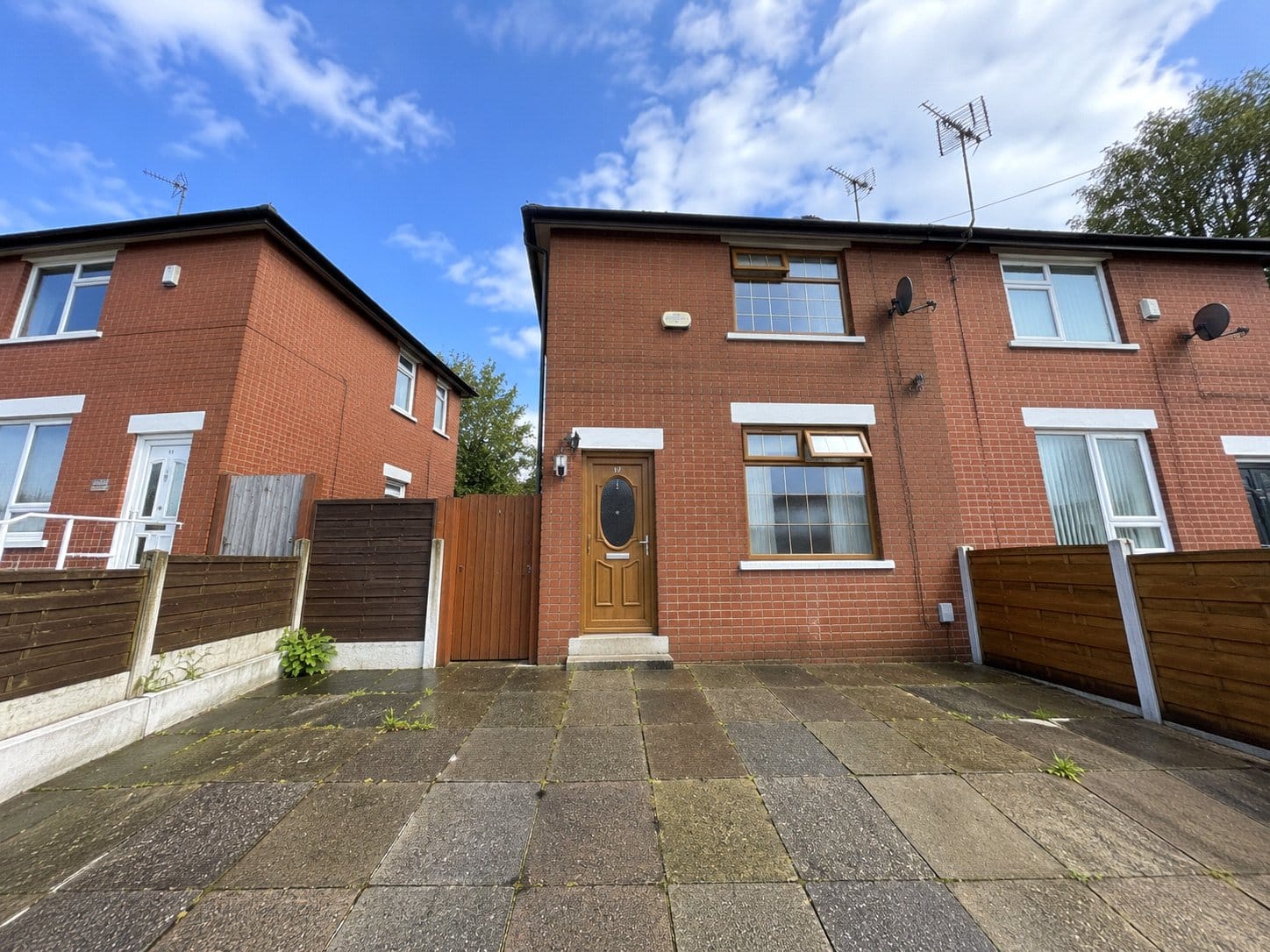
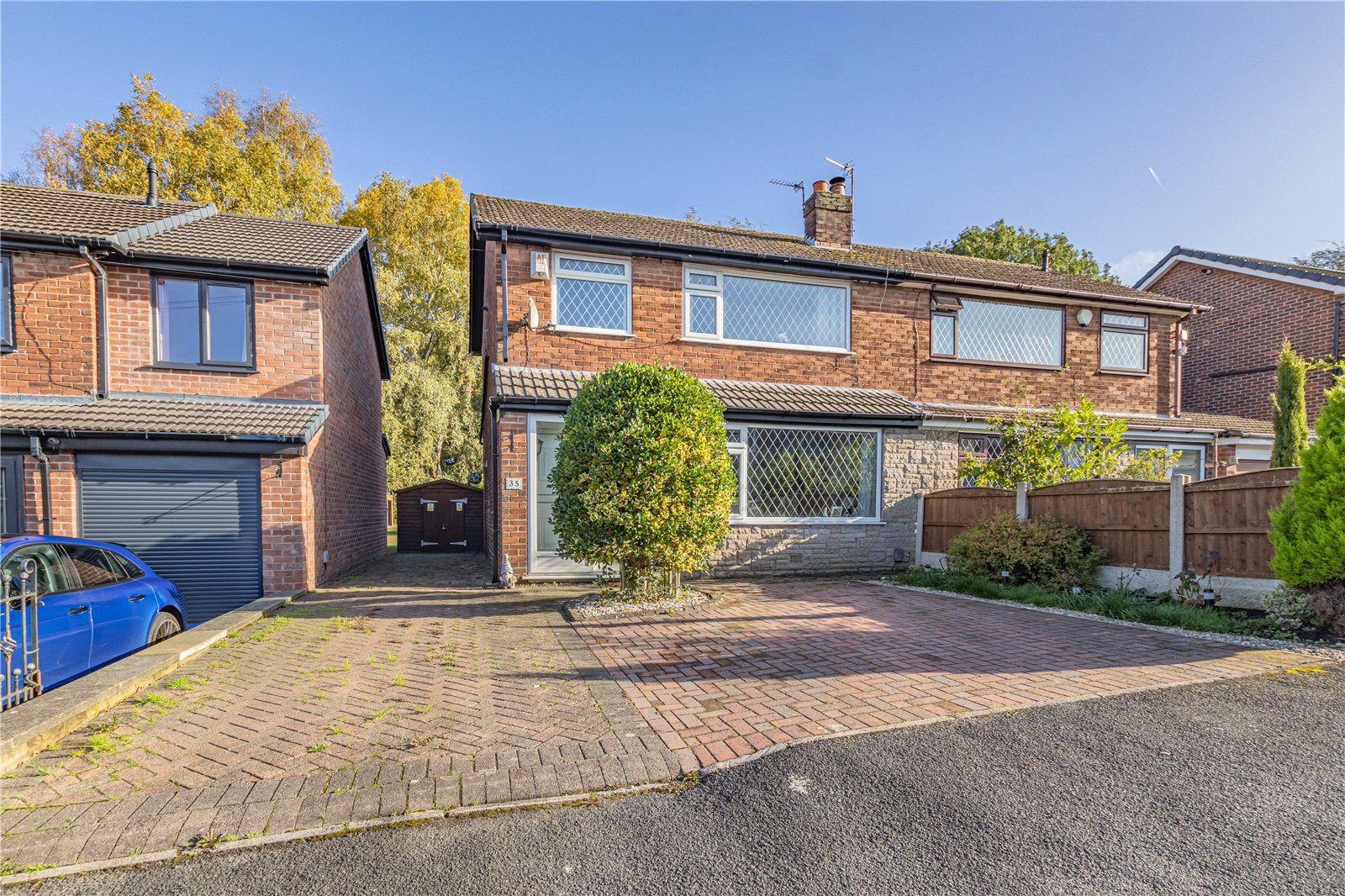
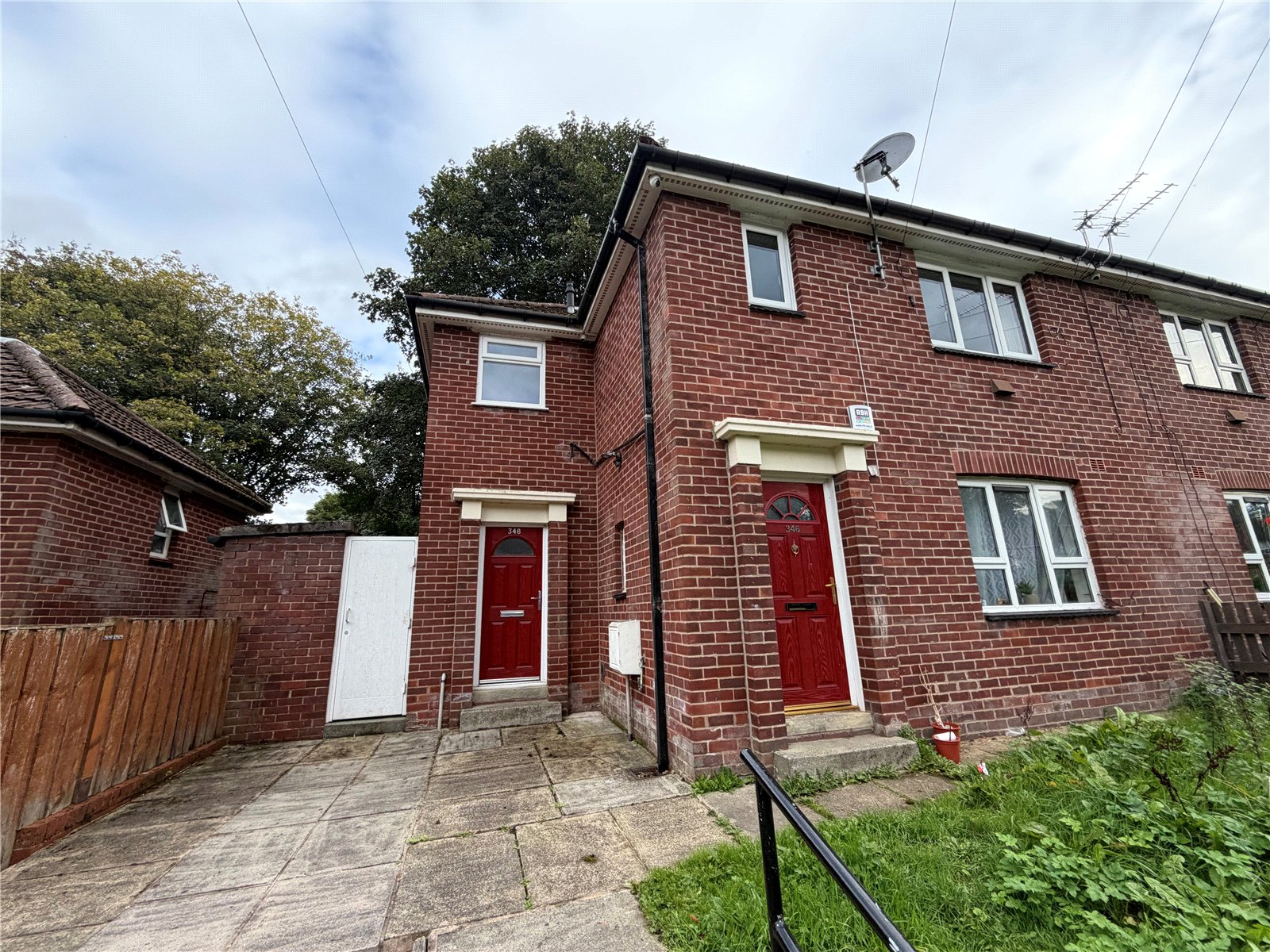
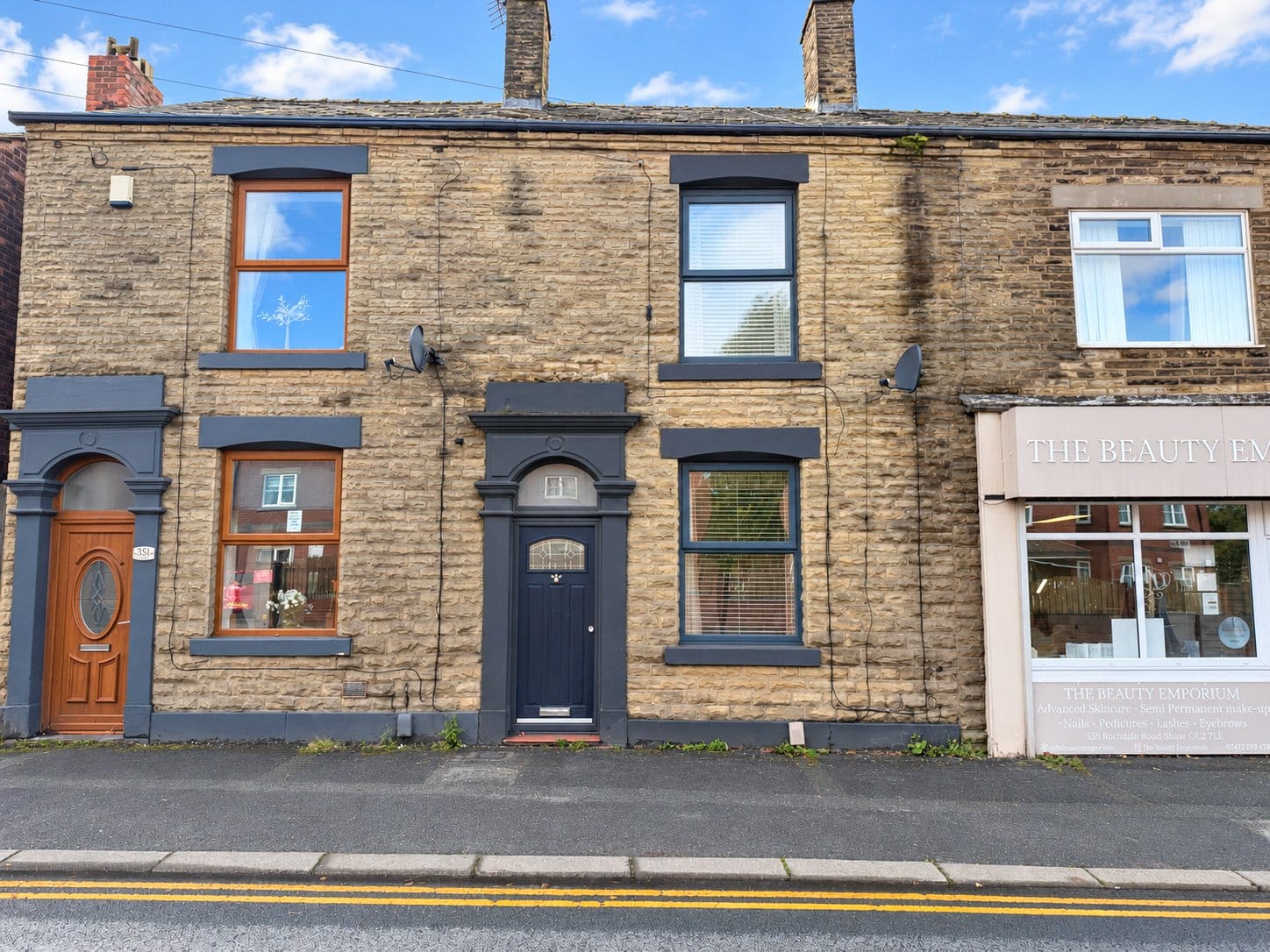
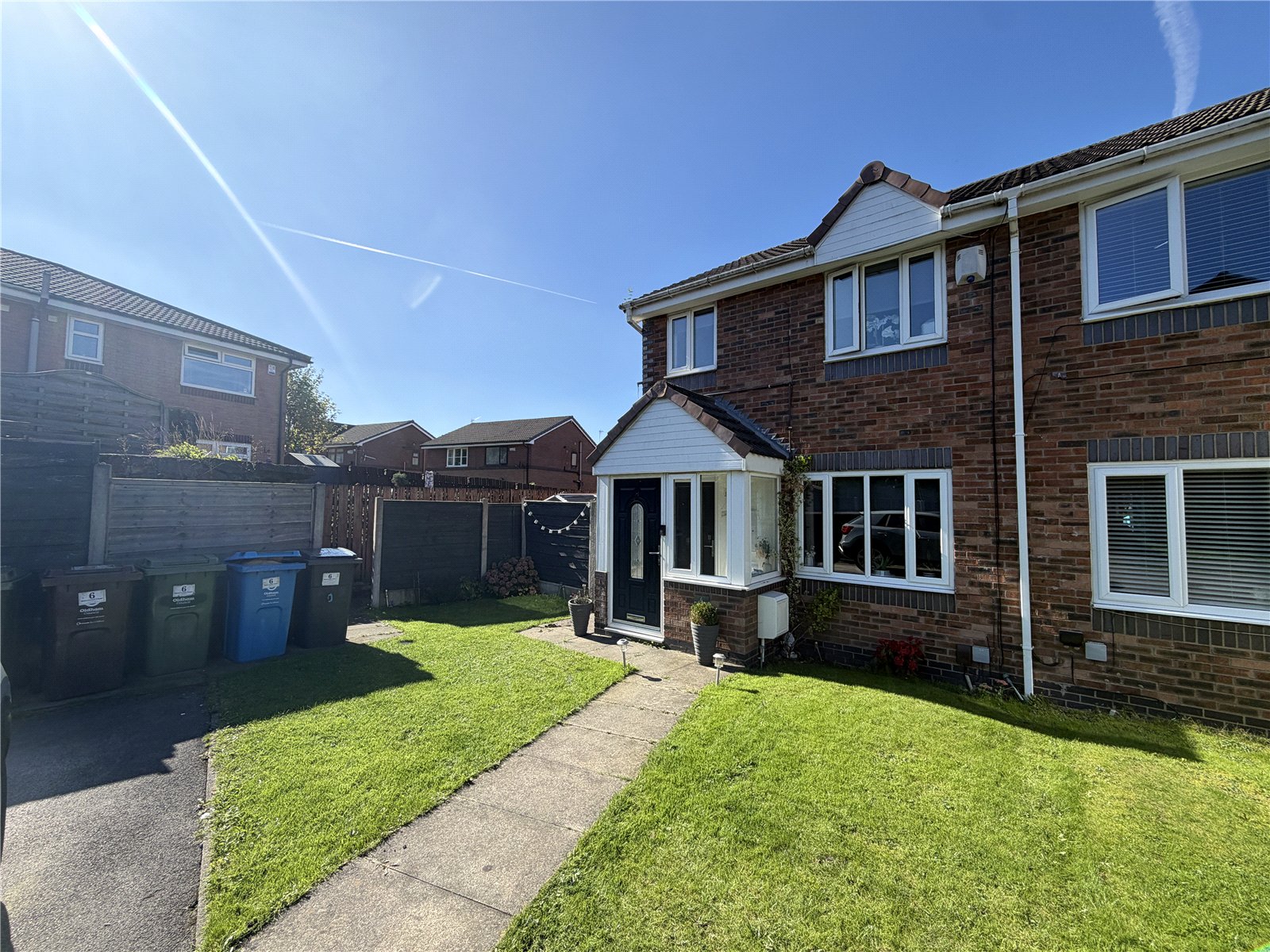
Property types: Royton presents a range of housing options, from Victorian terraces near the town centre to mid-century semi-detached houses. The area features stone-built cottages dating to its industrial past, alongside newer estates built in the 1980s and beyond.
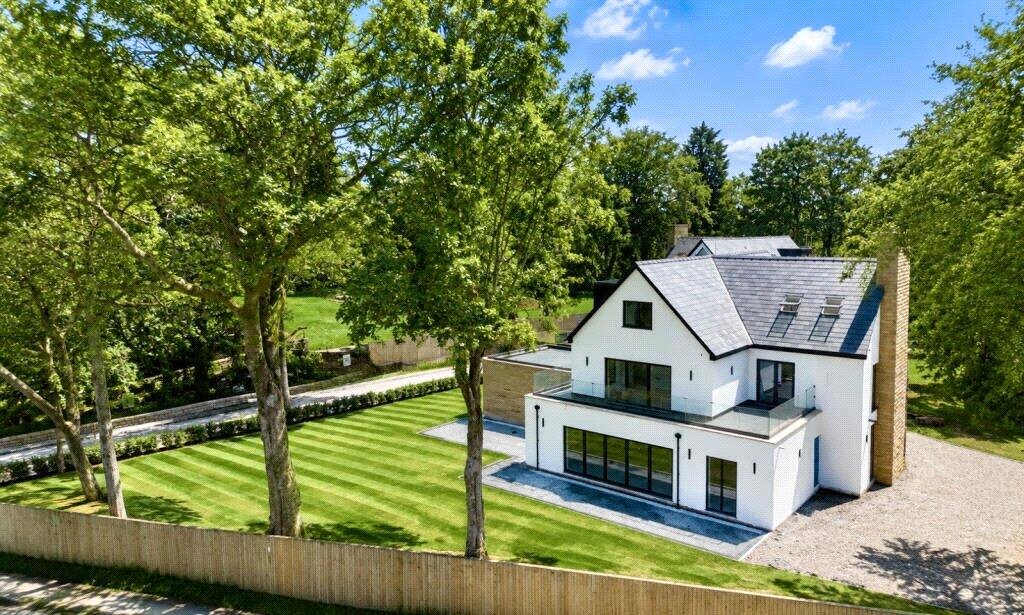
The most sought-after properties lie around Tandle Hill Road, Broadbent Grove, and Oldham Road, where you’ll find larger detached homes with gardens. The streets near Royton Park offer traditional terraced houses suited to first-time buyers.
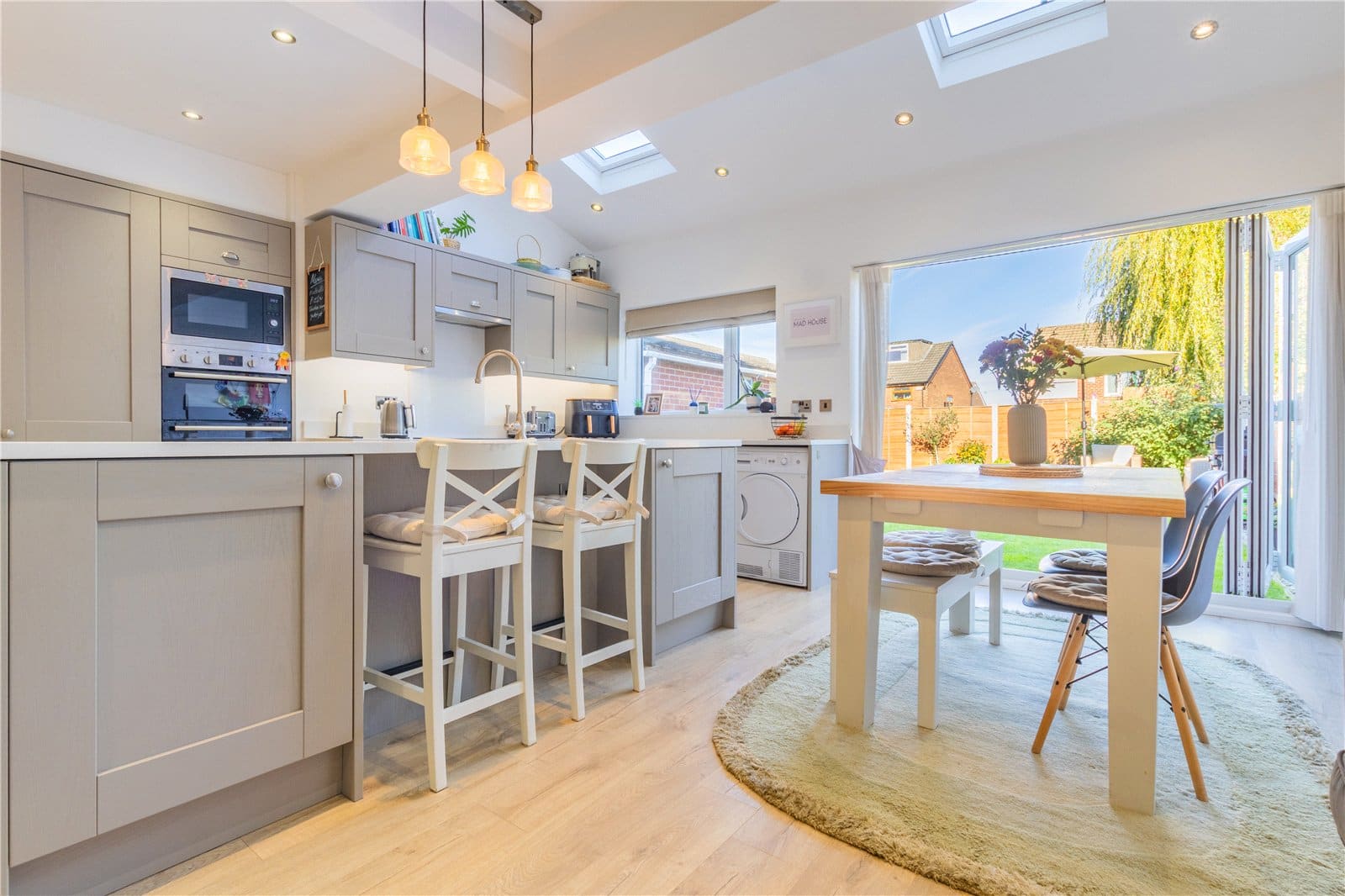
Developments: New building projects include small-scale developments off Rochdale Road, adding modern family homes to the area. Planning permission exists for additional housing near Thornham Old Road.
Property prices: Based on Land Registry data, the average price for property for sale in Royton during the last year was £208k. Detached houses averaged 316K, semi-detached properties 235K, and terraced homes 162K. Houses marketed by experienced, Royton estate agents can sell for much more than these average values.
Rental market: Monthly rents average around £800 according to ONS statistics for the region, with variation across different property sizes, quality and location. The market shows steady demand from young professionals and families, with rental values increasing significantly over the past three years. The proximity to Manchester and affordable pricing attracts both landlords and tenants.
Take a look here for the most up to house prices in Royton.
Transport Links
Royton’s position provides straightforward travel options across Greater Manchester and beyond.
- Car & Road: The A671 runs through Royton, connecting to the M62 motorway in under 10 minutes. Manchester city centre lies 8 miles south, typically reached in 25-30 minutes by car. The M60 orbital motorway is accessible within 15 minutes.
- Bus: Regular services run from Royton town centre to Oldham (15 minutes), Rochdale (25 minutes), and Manchester (45 minutes). Night buses operate on weekends.
- Train: While Royton doesn’t have its own railway station, Mills Hill station sits 2 miles away, offering direct services to Manchester Victoria (15 minutes), Leeds (55 minutes), and other destinations across the North West.
- Cycling & Walking: The Oldham Way and Rochdale Way provide scenic routes for cyclists and walkers. National Cycle Network Route 626 passes through the area.
- Airport: Manchester Airport lies 20 miles away, typically reached in 35-40 minutes by car or around an hour by public transport.
Find out more about the options for local transport here.
Places Of Interest
Royton’s landmarks and leisure spots showcase its past and present.
- Tandle Hill Country Park: The highest point in the area offers woodland walks and panoramic views across Manchester and the Pennines (Tandle Hill Road, OL2 5UX).
- Royton Hall Park: Historic grounds featuring the remains of the 13th-century manor house (Hall Street, OL2 5QJ).
- Market Square: The traditional heart of town, hosting regular markets (Market Square, OL2 5QD).
- Royton Park: Victorian park with bowling greens and children’s play areas (Park Street, OL2 6QW).
- Park Bridge Heritage Centre: Former ironworks showcasing local industrial history (Park Bridge Road, OL2 5RX).
- St Paul’s Church: Grade II listed building dating from 1889 (Church Street, OL2 5JS).
- Shaw Salvation Army Heritage Centre: Local history exhibits (High Street, OL2 5PU).
- The Summit: Historic railway tunnel entrance with walking trails (Summit Road, OL2 6HP).
- Oldham Edge: Elevated viewpoint with sports facilities (Edge Lane Road, OL2 5DR).
- Byron Street Playing Fields: Sports grounds and recreation area (Byron Street, OL2 5QN).
Jobs & Employment
Royton’s employment landscape combines local enterprises with opportunities in neighbouring towns. The town centre supports retail and service sector positions, while several small industrial estates provide manufacturing and distribution jobs.
Major employers include logistics companies at Salmon Fields Business Village and healthcare facilities. The nearby centres of Oldham and Rochdale expand employment options, particularly in education, healthcare, and retail. Manchester’s job market, accessible within 30 minutes, offers additional prospects in finance, technology, and creative industries.
Growth areas include healthcare services and small-scale manufacturing. While traditional textile industries have declined, new businesses in logistics and distribution have established themselves. Future projections suggest continued growth in service sector employment, supported by planned commercial developments in neighbouring Oldham.